

Mango Blossom Blight
Pest Control
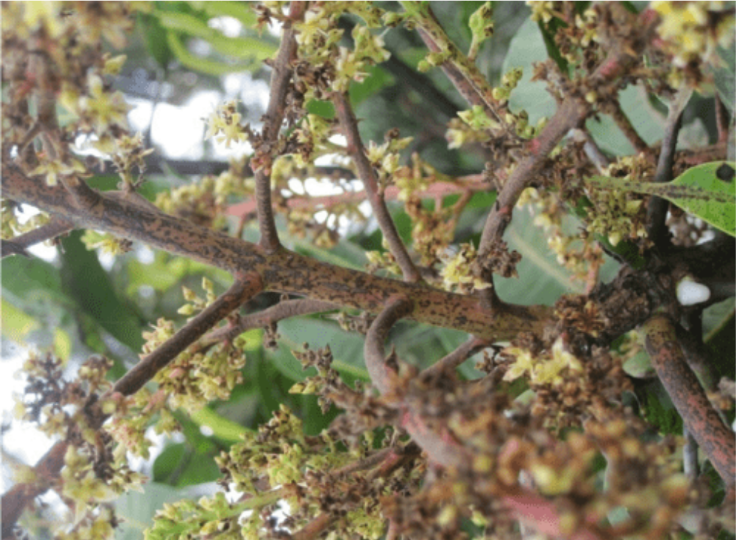
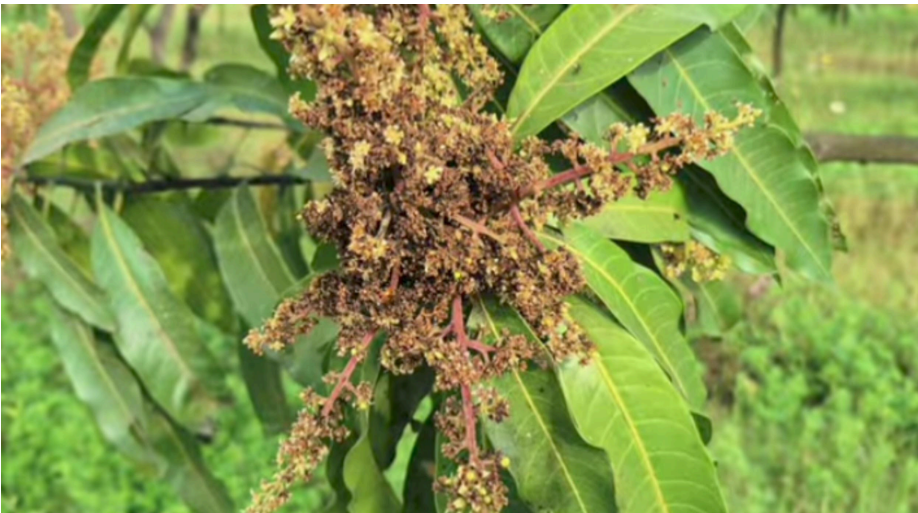
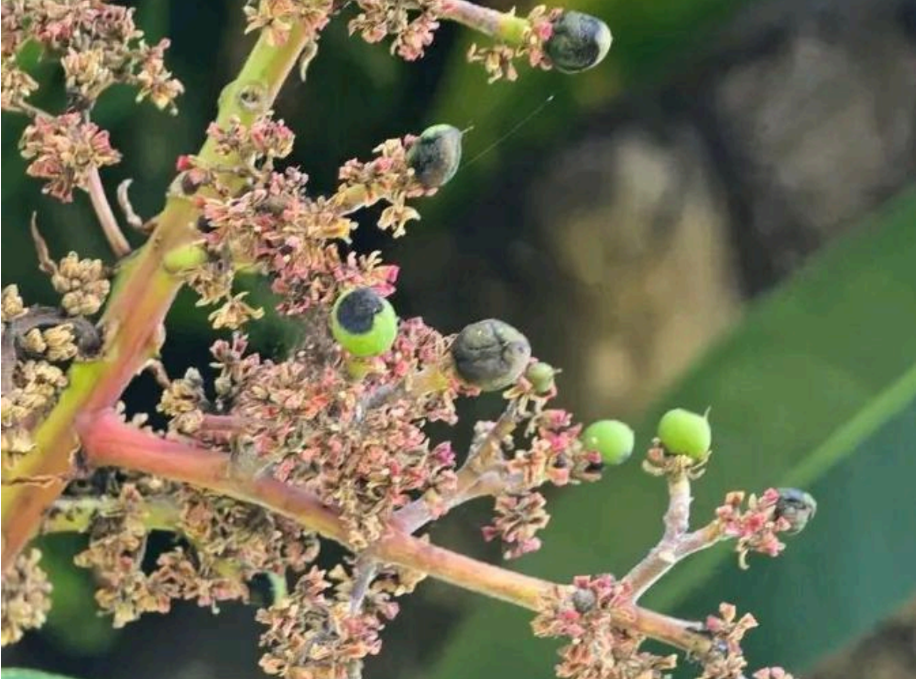
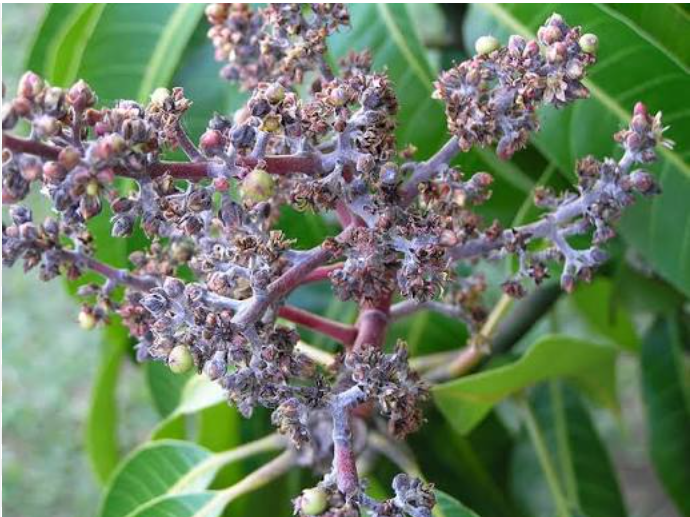
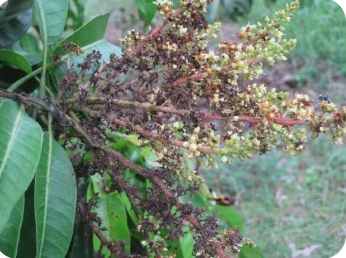
Identification, Symptoms and Management Mango blossom blight is a fungal disease that affects mango flowers and young developing shoots. It can cause significant flower loss, poor fruit set and reduced mango yields, particularly when conditions are warm, humid and wet during the flowering period. The disease should be managed early because damage to the flowers can directly affect the number of fruits that eventually develop. Symptoms of Mango Blossom Blight The disease mainly affects the flower panicles, although young shoots and other tender tissues may also be affected. Common symptoms include: ● Browning or blackening of flower panicles. ● Flowers drying and dying before fruit set. ● Dark lesions on flower stalks. ● Blighted or dried flower clusters. ● Premature flower drop. ● Reduced fruit set. ● In severe cases, drying back of young shoots. Under favourable conditions, the disease can spread rapidly through the flowering panicles. Conditions That Favor Mango Blossom Blight Mango blossom blight is favoured by high humidity, frequent rainfall, prolonged wetness and poor air circulation within the canopy. Disease pressure can therefore be particularly high during wet flowering periods. Management of Mango Blossom Blight Effective management involves regular monitoring, good orchard sanitation, canopy management and timely fungicide application. Recommended Fungicides The following fungicides are included in the management programme: Absolute Star 10 ml Chariot 20 ml Pearl 20 ml Greencop 50 gm Trinity Gold 50 gm Ortiva 20 ml Always follow the current product label for the approved crop, target disease, application rate, pre-harvest interval and safety requirements. Cultural Management Practices 1. Monitor During Flowering Begin regular inspection of mango trees as flower panicles emerge. Pay particular attention to early signs of browning, drying or blackening of flowers. 2. Maintain Good Canopy Management Prune appropriately to improve air circulation and light penetration within the mango canopy. A well-managed canopy dries faster after rainfall or dew, reducing conditions favourable for fungal infection. 3. Remove Infected Material Where practical, remove severely infected flower panicles and other affected plant material and dispose of them properly to reduce sources of infection. 4. Maintain Orchard Sanitation Remove fallen leaves, flowers and diseased plant material from around the orchard where appropriate. 5. Apply Fungicides at the Right Time Fungicide protection is most useful when applied before disease becomes severe, particularly when weather conditions are favourable for infection. Protecting flowers during the flowering period is important because severe blossom infection can result in poor fruit set.
Comments & Reviews
No comments yet. Be the first to share your thoughts on this tip.
Leave a Comment
Comments are checked by our team before appearing publicly.