

Tuta absoluta (Tomato Leaf Miner)
Pest Control
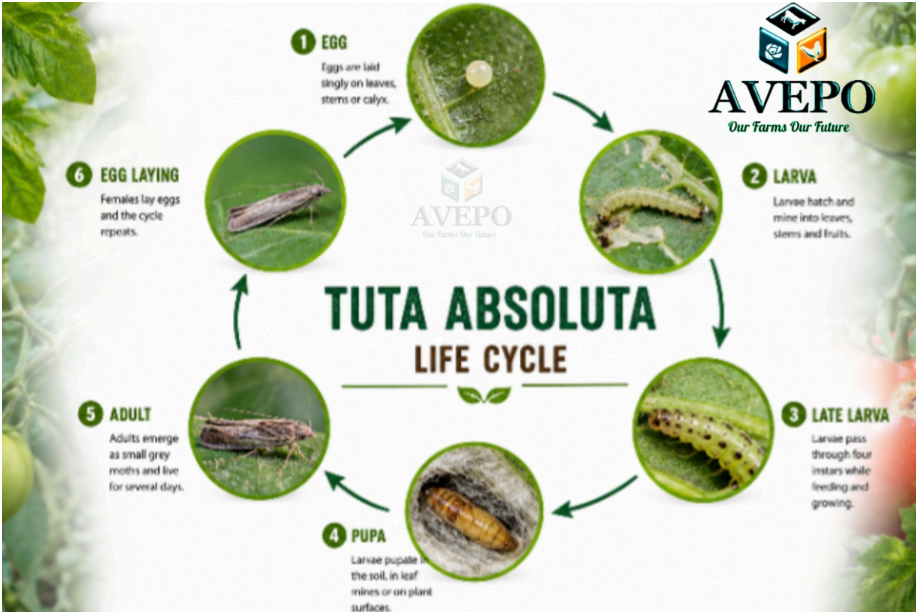
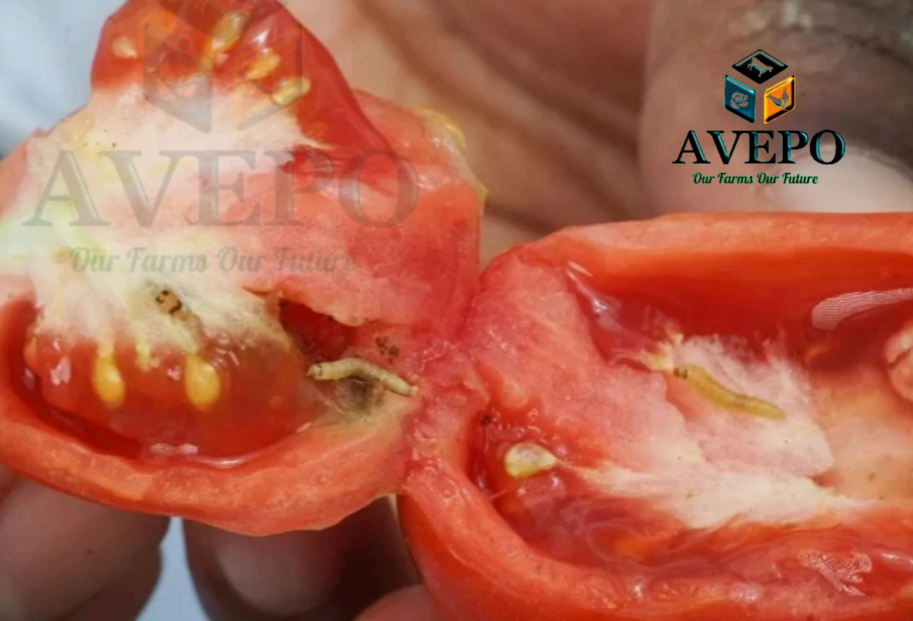
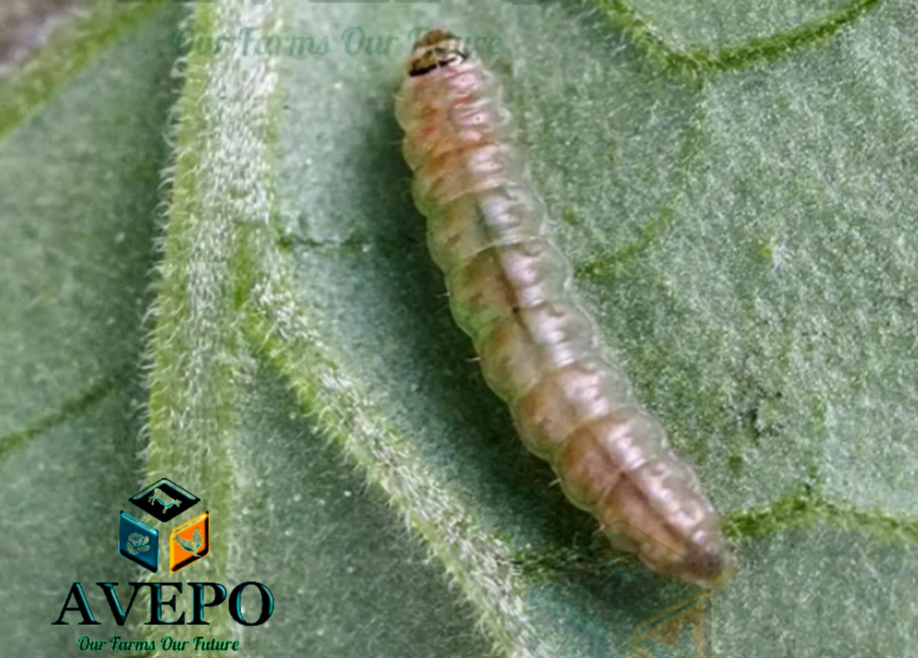
Identification, Crops Affected, Damage and Management Tuta absoluta, commonly known as tomato leaf miner or tomato pin worm, is one of the most destructive insect pests of tomato. It is a small moth whose larvae feed inside leaves, stems and fruits, making the pest difficult to manage once an infestation becomes established. The pest can multiply rapidly under favourable conditions and cause significant losses in both open-field and protected tomato production. Crops Affected by Tuta absoluta Tuta absoluta mainly attacks crops in the Solanaceae family, particularly: ● Tomato ● Potato ● Eggplant ● Other related solanaceous crops Tomato is one of its most important hosts. Identification Adult Moths Adult Tuta moths are small, greyish-brown moths with narrow wings. They are more active during the evening and night and may hide among the foliage during the day. Larvae The larvae are small caterpillars that feed inside plant tissues. They can be difficult to detect because they spend much of their time protected inside leaves, stems and fruits. Eggs The eggs are very small and are usually deposited on leaves, stems and other plant parts, making them difficult to identify without close inspection. Damage Caused by Tuta absoluta The larval stage causes the greatest damage. Larvae penetrate leaves, stems and fruits and create galleries as they feed. Common signs of infestation include: ● Irregular mines or tunnels on leaves. ● Transparent or brown patches on leaves. ● Leaf drying and premature leaf drop. ● Damage to young shoots and growing points. ● Tunnels inside stems. ● Holes and tunnels in fruits. ● Fruit rotting following secondary infections. ● Reduced fruit quality and marketability. ● Severe infestations can cause significant yield losses. Fruit damage is particularly serious because it directly reduces the amount of marketable produce. Management of Tuta absoluta Effective management requires an integrated pest management approach combining regular scouting, trapping, field sanitation, removal of infested plant material and timely insecticide application. Recommended Insecticides The following products and rates are included in the management programme: Tihan 10 ml Fenari 10 ml Relay 4 ml Benzoron 3ml Occasion Star 3ml Campostella 9ml Proper timing is important. Control is generally more effective when the pest is detected early, before extensive leaf mining and fruit damage occur. Tuta Traps Tuta traps can be used to monitor and reduce adult Tuta moth populations. The traps help farmers: ● Detect the presence of Tuta moths early. ● Monitor changes in pest populations. ● Reduce the number of adult moths in the production area. ● Support timely decision-making on pest management. Traps are most effective when incorporated into an integrated management programme rather than being relied upon as the only control method. Nimbecidine in Tuta Management Nimbecidine can be incorporated into the management programme alongside recommended insecticides. Nimbecidine contains neem-based compounds and can contribute to pest management through several effects, including: ● Insect growth regulation ● Sterilant effects ● Oviposition deterrence, discouraging female moths from laying eggs ● Anti-feeding activity, reducing feeding by developing larvae Using Nimbecidine as part of an integrated programme can help reduce pest pressure and may support longer spray intervals, depending on pest pressure, crop stage and environmental conditions. Do not automatically extend spray intervals simply because Nimbecidine has been added. Always scouting the crop and adjusting the spray programme according to pest population and product-label recommendations. Cultural and Preventive Management 1. Regular Scouting Inspect tomato plants frequently, paying particular attention to young leaves, growing points, stems and fruits. Look for fresh mines, larvae and damaged fruits. 2. Use Tuta Traps Install appropriate Tuta traps early in the production cycle to monitor adult moth activity and detect increasing populations. 3. Remove Infested Plant Material Where practical, remove heavily infested leaves and destroy them properly. Do not leave removed plant material beside the crop because larvae can continue developing. 4. Destroy Infested Fruits Collect and destroy severely infested fruits that cannot be marketed. Leaving them in the field allows the pest to complete its development and produce another generation. 5. Maintain Field Sanitation Remove crop residues and volunteer tomato plants after harvesting. These can provide shelter and breeding sites for Tuta absoluta. 6. Control Alternative Hosts Manage weeds and other host plants around the field that may harbour the pest between production cycles. Insecticide Resistance Management Tuta absoluta is capable of developing insecticide resistance, particularly where the same insecticide or mode of action is repeatedly used. For better long-term control: ● Rotate insecticides with different IRAC modes of action. ● Avoid repeated use of the same product or mode of action. ● Apply products at the recommended label rate. ● Avoid under-dosing. ● Scout regularly and spray when intervention is justified. ● Observe the recommended application interval and pre-harvest period. Use of Sticker/Wetter/Spreader Where permitted by the product label, a suitable sticker/wetter/spreader can be used with insecticides to improve spray wetting, spreading, coverage and retention on plant surfaces. Adjuvants included in the spray programme are: ● Aquawet – 10 ml/20 L ● Integra – 3 ml/20 L ● Golden Leaf – 3 ml/20 L ● HiSpied – 3 ml/20 L Farmer Tip Scout early, trap adult moths and act before Tuta absoluta becomes established.
Comments & Reviews
No comments yet. Be the first to share your thoughts on this tip.
Leave a Comment
Comments are checked by our team before appearing publicly.