
FRUIT TREE FLOWERING AND FRUITING PROGRAM: FROM NEW FLUSH TO HARVEST
General
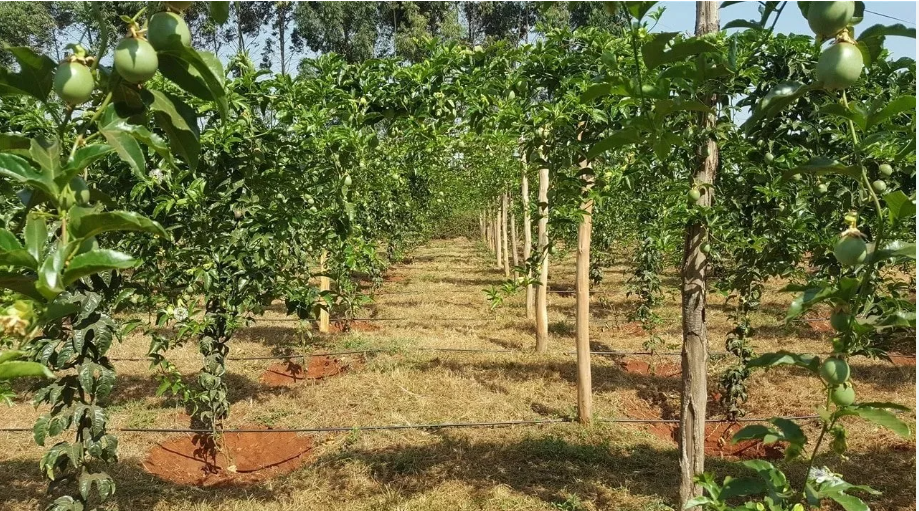
For every fruit farmer, one of the most exciting stages of production is seeing the trees develop a healthy flush followed by abundant flowering. However, flowering alone does not guarantee a good harvest. The real objective is to maintain a healthy tree, support flowering, improve fruit set, develop quality fruits and encourage continuous production after harvesting. A well-timed nutrition and crop protection program can help the farmer manage these critical stages more effectively. Stage 1: New Flush-Building a Strong Plant The first step is to ensure the tree develops a healthy and vigorous new flush. A strong canopy provides the foundation for successful flowering and subsequent fruit development. At this stage, topdress with NPK Yaramilla Winner(15:09:20+TE) or NPK 17:17:17to support vegetative growth and overall plant development. Foliar nutrition can also be applied using an appropriate product such as: ● Lavender Total ● YaraVita Crop Boost ● Maxigrow Foliar(24:24:18) ● Foliup ● Omex foliar(24:24:18) ● Algreen Supasense Or any suitable foliar feed recommended by your field extension officer. The objective at this stage is to establish healthy foliage and adequate plant vigor before moving into flowering. Stage 2: Flowering Induction Once the tree has developed a suitable new flush, the next objective is to encourage flowering induction. Products used for flowering induction may include: ● Azatone SL ● Plantone 4.5 SL ● Azatone “Y” Application should be guided by the specific fruit tree, product label recommendations and the prevailing crop condition. Stage 3: Pre-Flowering-Preparing the Tree for Fruit Set As the tree approaches flowering, adequate calcium, boron and zinc nutrition becomes important in preparing the crop for successful flowering and fruit set. At this stage, topdress with either: ● Calcibor, or ● Nitrabor For foliar nutrition, suitable options include: ● Zincabor ● Borozinc ● Cabozinc ● Calmabon ● Bonzin The crop should also be protected against pests and diseases that may interfere with flowering and fruit development. Where necessary, incorporate a suitable fungicide and insecticide based on the crop, pest or disease pressure and label recommendations. Stage 4: Fruit Set-Turning Flowers into Fruits This is one of the most critical stages of fruit production. The farmer's goal is no longer simply to have flowers, but to achieve a good fruit set and minimize unnecessary flower or young-fruit drop. At this stage, introduce high-potassium foliar nutrition to support fruit setting and the transition from flowering into early fruit development. Suitable options may include: ● YaraVita PowerBoost ● Maxigrow High-K ● Goldchance Super Flower and Fruit ● Easy Gro Flower/Fruit ● Omex Murex-K ● Algreen Super-K(6:0:42+TE) Good crop management during this stage is essential because nutrition alone cannot guarantee fruit set. Adequate moisture, successful pollination, pest and disease control and overall tree health also contribute significantly to the final outcome. Stage 5: Fruit Development Once fruits have successfully set, the focus shifts towards fruit enlargement, quality development and maintaining the strength of the tree. Continue with the appropriate High-K foliar nutrition program introduced during the fruit-set stage. At this stage, a suitable biostimulant can also be introduced to support plant vigor, fruit development and the tree's ability to withstand production stress. The nutrition program should be adjusted according to the crop's growth, fruit load and general condition rather than applying products unnecessarily. Stage 6: After the First Harvest-Supporting Regrowth and Continued Production Fruit harvesting places considerable demand on the tree. After the first harvest, the tree needs to recover and produce new growth that will support continued flowering and subsequent production. At this stage, topdress with Yara Winner NPK/NPK 17:17:17 to support regrowth, recovery and continued production. Finally, when applying the basal fertilizers; - Dig a 40 cm deep trench around Lthe canopy. - To determine the correct position, dig the trench at noon when the tree’s shadow aligns with the canopy edge. This ensures nutrients reach the active feeding roots. - Avoid digging too close to the stem as the roots near the stem serve as anchorage and do not absorb nutrients effectively
Comments & Reviews
No comments yet. Be the first to share your thoughts on this tip.
Leave a Comment
Comments are checked by our team before appearing publicly.